


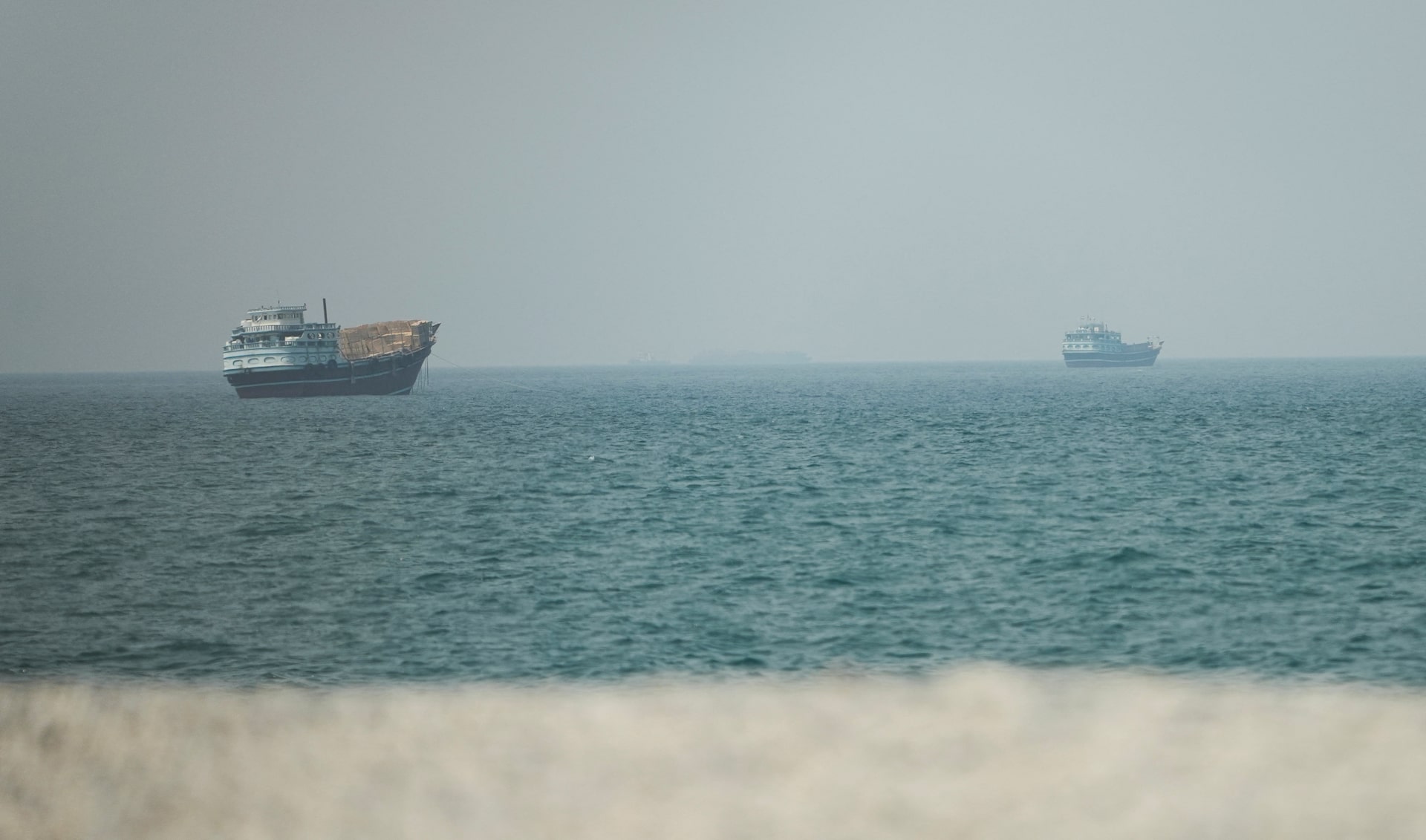


The waterway carries a major share of the world’s energy supplies. Disruption can spread rapidly from oil markets to shipping, food, flights and household bills.
The Strait of Hormuz is geographically narrow, but its economic importance is enormous.
Before the latest regional conflict, more than 15 million barrels of fuel reportedly moved through the waterway each day, representing roughly one-fifth of global oil-and-gas traffic. Renewed US-Iran hostilities and restrictions on shipping have reduced normal traffic and increased uncertainty for energy exporters, tanker operators and global markets.
Oil prices have risen sharply during periods of escalation, although they have remained below some of the extreme levels initially feared. That relative stability does not mean consumers are protected.
The disruption can affect prices through several connected channels.
Fuel prices
Crude oil is the primary input used to produce gasoline, diesel and aviation fuel. When the price of crude rises—or when refineries fear that supplies could become less reliable—wholesale fuel costs tend to increase.
Retail prices do not always move immediately. The effect varies by country, taxes, local inventories and government subsidies. Nevertheless, a prolonged disruption would increase pressure on motorists and transport companies.
Shipping and insurance
Tankers entering a conflict-sensitive region may face higher insurance premiums, security costs and crew expenses.
Even vessels that continue sailing can become more expensive to operate. Some companies may take longer routes or delay shipments while assessing risk. Those additional costs can eventually be incorporated into the prices paid by businesses and consumers.
Food and manufactured goods
Modern food systems depend heavily on energy.
Fuel powers agricultural machinery, refrigerated transport, processing plants and delivery networks. Natural gas is also an important input in fertilizer manufacturing.
Higher transportation and production expenses can therefore affect food prices even in countries located far from the Middle East. Imported goods may also become more expensive when shipping and logistics costs rise.
Air travel
Jet fuel is one of the largest expenses facing airlines.
If fuel prices remain elevated, airlines may reduce less-profitable routes, introduce fuel surcharges or raise ticket prices. Flights passing near affected airspace may also require longer routes, increasing fuel consumption and journey times.
Gulf economies
Higher oil prices do not automatically benefit every exporting country.
A Reuters poll found that several Gulf economies could contract more sharply in 2026 because reduced export volumes, freight expenses and weaker investor confidence may outweigh the benefit of higher prices. Kuwait and Qatar were among the economies facing the steepest projected contractions, while Saudi Arabia and Oman were expected to fare better partly because they possess alternative export routes.
What happens next
The economic impact depends primarily on duration.
A brief interruption can often be managed through commercial inventories, alternative supplies and emergency government measures. A prolonged closure or repeated military escalation would create a much more serious challenge.
Consumers should be cautious about assuming that every price increase is caused by the Strait of Hormuz. Taxes, currencies, corporate pricing, weather and local supply conditions also matter.
Still, the crisis demonstrates how a disruption in one narrow passage can travel through the global economy—moving from tankers and commodity markets to supermarket shelves, electricity bills and airline tickets.